
INTRODUCTION
Rough skin does not appear overnight, and it is not always linked to a medical condition. In many cases, it develops because the skin is not getting the care or protection it needs. Small changes in your daily routine can make a noticeable difference over time.
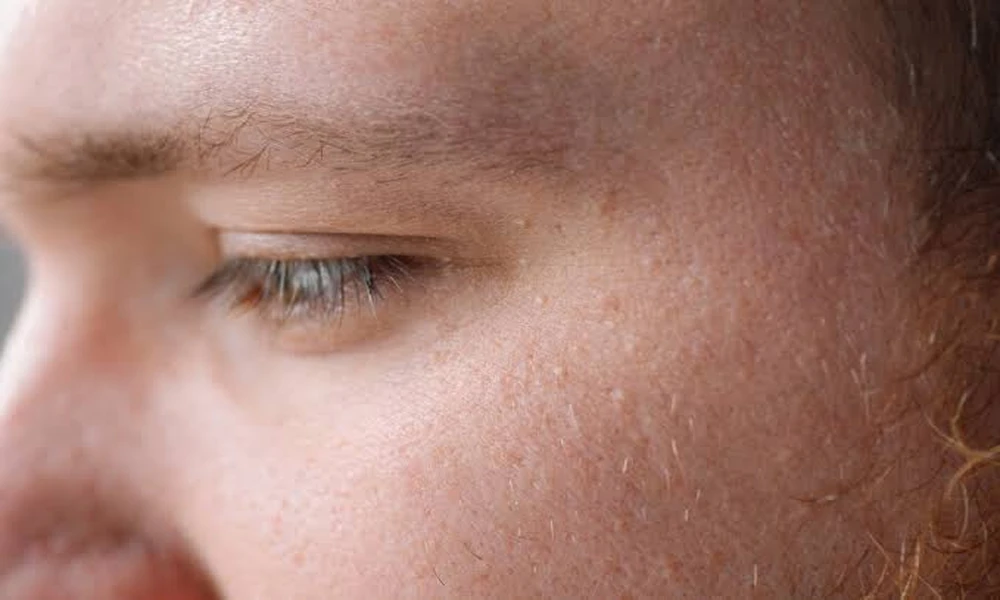
Understanding Skin Develop Rough Texture begins with recognizing that skin texture changes are often gradual rather than sudden. Daily exposure to environmental stressors, moisture loss, and repeated friction can slowly affect the skin’s surface, making it feel less smooth over time. While these changes are common, they can often be improved through consistent skincare habits that support the skin’s natural barrier and encourage healthy renewal, helping maintain a softer and more even appearance.
WHAT CAUSES SKIN TO FEEL ROUGH?
Healthy skin constantly renews itself by replacing old cells with new ones. Sometimes this natural process slows down, allowing dead skin cells to remain on the surface. Instead of feeling smooth, the skin begins to feel uneven or slightly coarse.
The environment can also influence skin texture. Cold weather, dry indoor air, and frequent exposure to sunlight may reduce the skin’s natural moisture. Even everyday activities, such as washing with very hot water or spending long hours in air-conditioned spaces, can leave the skin feeling less comfortable than usual.
EVERYDAY HABITS THAT CAN CONTRIBUTE
Many people unintentionally make rough skin worse through simple habits. Forgetting to apply moisturizer, using strong soaps, or scrubbing too hard can remove the protective layer that helps the skin stay hydrated. Once this barrier becomes weakened, the skin loses moisture more easily and may become dry or flaky. Lifestyle choices also have an effect. A balanced diet, enough sleep, and proper hydration support the skin’s normal functions.
SIMPLE STEPS TO IMPROVE SKIN TEXTURE
Restoring smoother skin usually starts with a gentle routine. Cleansing with a mild product removes dirt without leaving the skin feeling stripped. Light exfoliation once or twice each week can help clear away dead skin cells, allowing fresher skin to appear. It is important not to overdo this step, as excessive exfoliation may irritate.
Moisturizing every day is equally important. Applying moisturizer after bathing helps lock in hydration while the skin is still slightly damp. Choosing products designed to support the skin barrier can make the skin feel softer and more comfortable with regular use.
Sun protection should also be part of the routine. Daily sunscreen helps reduce damage caused by ultraviolet rays, which can contribute to uneven texture and premature skin aging.
KNOWING WHEN TO SEEK ADVICE
Although rough skin is usually easy to manage, some situations require professional attention. If the skin remains rough despite regular care or is accompanied by redness, swelling, pain, or persistent itching, it is wise to consult a dermatologist. An expert can determine whether an underlying skin condition is responsible and recommend appropriate treatment.
CONCLUSION
Rough skin is often the result of everyday factors rather than a serious problem. Paying attention to simple habits, such as using gentle skincare products, moisturizing consistently, and protecting the skin from the sun, can gradually improve its texture. Healthy skin rarely depends on expensive products alone. Consistent care and patience are often the most effective ways to achieve skin that feels smoother, healthier, and more comfortable every day.
