
Key Takeaways
- Brow lamination is not a one-style-fits-all treatment; face shape determines brow direction, lift, and density control.
- Experienced technicians adjust mapping, processing time, and setting angles to balance facial proportions.
- The goal of brow lamination is structural correction and visual harmony, not exaggerated trends.
- Customisation reduces over-processing risks and improves retention and long-term brow health.
Introduction
Brow lamination has moved beyond trend status and is now a structured brow correction service used to reshape, redirect and refine natural brow hair. However, the outcome depends heavily on technical customisation. An experienced technician does not simply brush all brow hairs upward and apply a setting solution. Instead, they assess face shape, bone structure, brow growth patterns and hair density before deciding on direction, lift intensity and finishing technique. The objective is proportion control. Once brow lamination is customised correctly, it enhances facial symmetry without appearing stiff or artificial.
Oval Face Shape
An oval face is generally considered proportionate, meaning the goal is refinement rather than correction. That said, with this shape, brow lamination focuses on controlled lift rather than dramatic vertical styling. Excessively upright brow hairs can elongate the face unnecessarily, so experienced technicians often create a soft diagonal sweep rather than a straight-up effect.
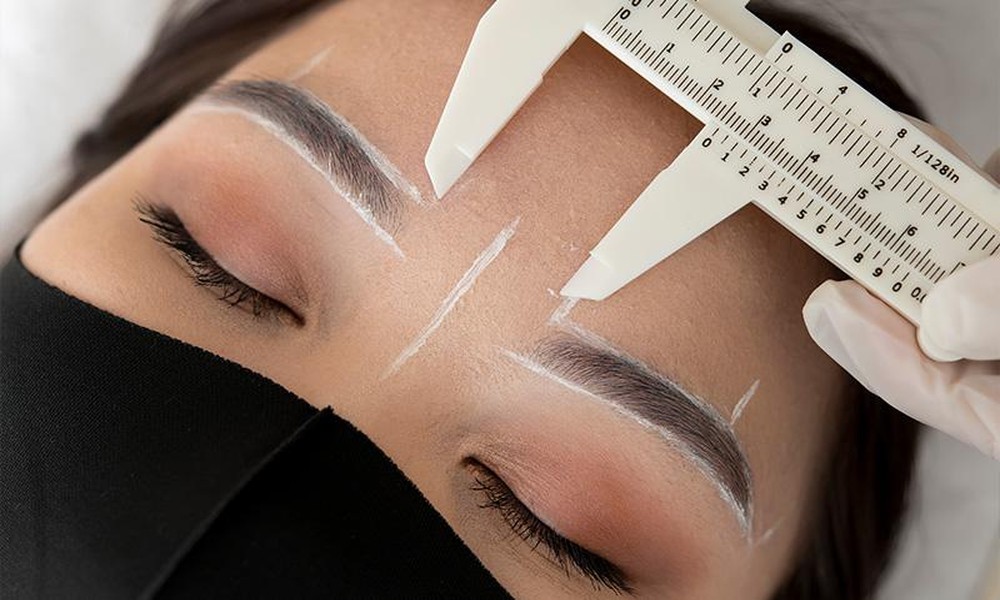
Mapping is critical. The brow arch is positioned to follow the natural orbital bone without raising it too high. The tail is smoothed and slightly elongated to maintain horizontal balance. Processing time is carefully monitored because oval faces often benefit from subtle texture control rather than aggressive restructuring. The final look should appear fuller and groomed, not spiked or rigid.
Round Face Shape
Round faces typically benefit from elongation. Brow lamination, in this case, is used strategically to create height and lift through the arch. The technician avoids flat or overly rounded shaping because that reinforces facial width.
The central brow section is lifted more vertically to create upward visual movement, while the arch is defined to break the circular contour of the face. However, the lift must be controlled. Over-directing the hairs can create an unnatural “surprised” expression. Experienced technicians adjust solution strength and timing based on hair thickness to ensure flexibility remains after setting. The finished brow should create subtle angularity and vertical emphasis without harsh lines.
Square Face Shape
Square faces often feature a prominent jawline and defined bone structure. Here, brow lamination is used to soften rather than sharpen. A high, sharp arch may exaggerate angular features. Instead, technicians often design a slightly curved brow with controlled elevation through the mid-section.
Hair direction is less vertical and more diagonally feathered. This approach diffuses strong facial lines and introduces fluidity. Technicians may also reduce extreme lift at the inner corners to avoid creating an overly severe look. Conditioning steps are particularly important for square-faced clients with coarse brow hair, as stiffness can emphasise rigidity. The final result should balance strength with softness.
ALSO READ: 3 Methods to Remove Bad Eyebrows
Heart-Shaped Face
Heart-shaped faces typically feature a broader forehead and narrower chin. Brow lamination with this shape must avoid adding excessive volume at the inner brow area, as this can widen the upper face further.
Technicians often keep the front brow more controlled and focus on a subtle lift through the mid-to-tail section. This approach redistributes attention downward and stabilises facial proportions. Over-brushing the inner brow upward can create imbalance, so directional styling is carefully moderated. Tail definition is important but not overly extended, as excessive length may pull focus away from central features. The result should create harmony between the upper and lower facial zones.
Long or Rectangular Face Shape
Brow lamination for longer face shapes is adjusted to avoid increasing perceived height. Highly upright styling would elongate the face further. Instead, technicians often create a flatter brow direction with minimal vertical lift.
The arch is kept softer and slightly lowered to maintain horizontal flow. Extending the tail subtly outward helps create width, visually shortening the face. Processing time may be slightly reduced to preserve flexibility and avoid overly stiff positioning. Precision trimming and shaping after lamination are critical to prevent exaggerated lift. Restraint, in this scenario, produces better proportional balance.
Technical Factors Beyond Face Shape
Face shape is only one variable. Hair density, growth direction, thickness and skin sensitivity all influence how brow lamination is customised. Coarse hair may require different timing than fine hair. Sparse brows need strategic redirection to maximise coverage without exposing gaps. Clients with downward growth patterns require careful lifting to prevent unnatural angles.
Patch testing, solution strength selection and aftercare guidance also form part of customisation. Experienced technicians prioritise brow health by preventing over-processing, ensuring that lamination enhances rather than weakens hair structure over repeated sessions.
Conclusion
Brow lamination is a technical reshaping treatment, not a generic styling trend. Once customised according to face shape and hair characteristics, it enhances balance, refines proportions and simplifies daily grooming. However, when applied without structural assessment, it risks exaggeration and imbalance. Experienced technicians understand that effective brow lamination is about measured adjustments, controlled lift and facial harmony. Precision, not trend replication, determines professional results.
Contact Dreamlash and get a customised brow structure that enhances your natural proportions-not a copy-and-paste trend.
