
Key Takeaways
- Always verify that the jade ring is certified as Type A jadeite by a recognised gemological laboratory before considering price or design.
- Examine colour distribution, translucency, and surface texture carefully, as these visible traits reveal whether the stone is natural or chemically treated.
- Compare the asking price with the stone’s documented grading and physical characteristics, because genuine jade in Singapore reflects rarity and quality rather than impulse discounts.
Introduction
Buying a jade ring in Singapore requires more than choosing a colour you like. High-quality jadeite commands strong prices, and treated stones circulate widely in the market. A ring can look vibrant under showroom lighting yet lose value once chemical treatments surface or dye fades. Before committing to a purchase, you need clear checks that confirm authenticity, structure, and pricing logic. The following six points help you evaluate a jade ring with confidence and avoid costly mistakes.
1. Confirm the Type A Certification
Type A jade refers to jadeite that has not undergone chemical bleaching or dye treatment. Sellers sometimes offer Type B or Type C stones that look bright at first but weaken or discolour over time. Ask for a certificate from a recognised gemological laboratory and verify that it states “Type A jadeite” clearly. Read the report number and confirm it matches the stone you are viewing. A genuine jade ring in Singapore should always come with documentation when priced as natural jadeite.
2. Examine Colour Distribution Closely
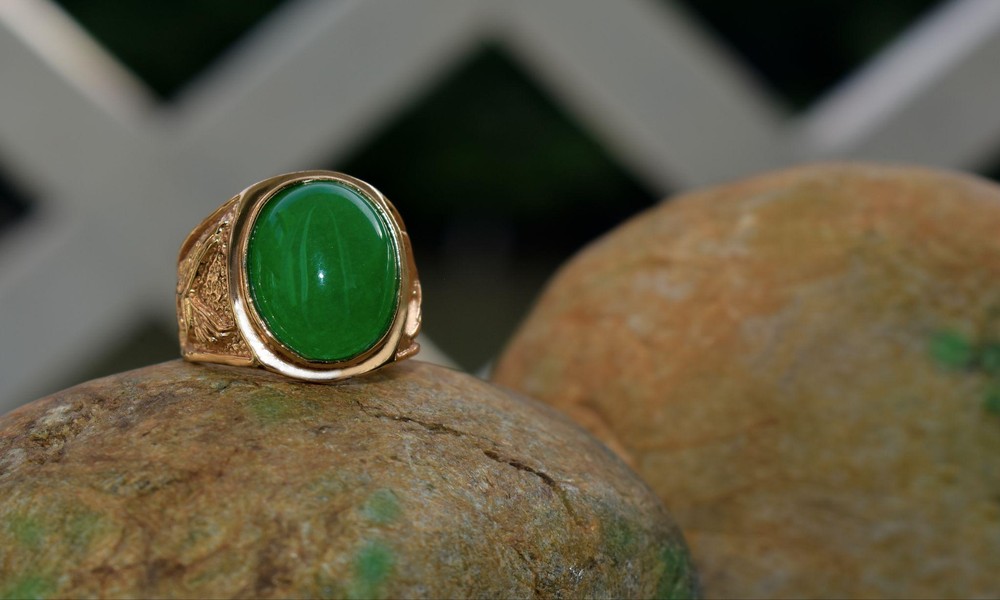
Colour affects value, but uniform brightness alone does not confirm quality. Natural jade often shows slight variations in tone within the same stone. Inspect the surface under neutral lighting and look for gradual colour transitions rather than sharp lines or concentrated streaks. Artificial dye tends to collect in fine cracks, leaving darker veins that appear unnatural under magnification. When selecting a jade ring, choose a colour that looks integrated into the stone rather than painted onto it.
3. Check Translucency Under Light
Hold the jade ring near a focused light source and observe how light travels through the stone. High-quality jade in Singapore usually allows light to pass through in a soft, diffused way. The interior should appear moist or luminous rather than chalky or opaque. If the stone blocks light completely, it may fall into a lower grade category. If it looks overly clear and glass-like, inspect carefully because glass imitations can mimic colour while lacking jade’s fibrous internal structure.
4. Inspect Surface Texture with Magnification
Use a jeweller’s loupe or request assistance from the seller. Natural jadeite has a smooth, tightly interlocking grain that creates a clean, reflective surface. Acid-treated stones may show tiny pits, uneven texture, or faint web-like lines beneath the polish. Run your finger lightly across the ring to feel for consistent smoothness. A well-cut jade ring should feel even against the skin without roughness or dull patches along the band.
5. Observe Temperature Response on Skin
Place the jade ring against your skin and pay attention to its initial feel. Genuine jade feels cool when first touched because of its dense mineral composition. The stone should warm gradually as it absorbs body heat. Glass or synthetic materials warm more quickly and do not maintain that cool sensation. While this test alone does not confirm authenticity, it adds a practical layer to your evaluation when combined with certification and visual inspection.
6. Evaluate Price Against Quality Indicators
Price reflects colour intensity, translucency, size, and confirmed Type A status. A deeply coloured, translucent jade ring offered at an unusually low price should raise immediate questions. Ask the seller to explain how the stone was graded and how its value was determined. Compare similar pieces in other reputable stores to understand the realistic price range for jade in Singapore. Transparent pricing discussions show that the jeweller understands the grading factors and stands behind the stone’s quality.
Conclusion
The appraisal procedure merits time and care because a jade ring has both cultural significance and monetary worth. Treatment status is confirmed by certification. Texture, colour, and translucency all show structural integrity. Additional useful checks include price consistency and temperature response. Purchasing treated or imitation stones is less risky when you carefully consider each of these elements. A well-chosen jade ring in Singapore can maintain its worth and be a valuable addition to your collection for years to come.
To examine certified Type A jade rings and speak with knowledgeable gemologists who can carefully and clearly walk you through each authenticity check, get in touch with Gen.K Jewelry.
